
Professional mold remediation removes hidden mold behind walls and under flooring through specialized non-destructive moisture detection, negative-pressure containment, controlled removal of contaminated building materials, and high-efficiency particulate air (HEPA) filtration. Remediation specialists map unseen dampness using thermal imaging and moisture meters, isolate the work zone to prevent spore dispersion, carefully strip compromised drywall or subflooring, and treat the remaining structural elements with commercial-grade antimicrobials. This systematic process ensures that concealed fungal colonies are thoroughly eliminated while protecting unaffected living areas from cross-contamination.
The Silent Threat: Why Mold Hides Behind Drywall and Subflooring
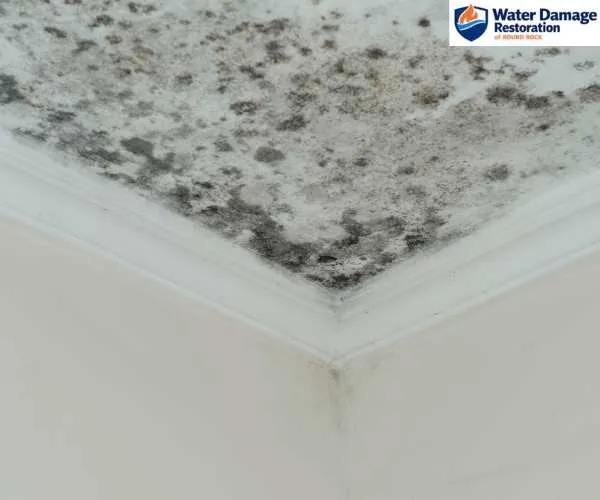
Mold thrives on moisture, warmth, and organic materials, often multiplying invisibly behind drywall, under flooring, or inside wall cavities from slow leaks or past flooding. Non-porous surfaces like paint and synthetic flooring can trap this moisture, allowing massive colonies to grow long before surface stains, buckling, or odors appear.
Crucially, opening up walls or tearing up floors without professional containment disrupts these colonies, releasing millions of spores and volatile organic compounds (VOCs) directly into your living space and HVAC system.
Phase 1: Advanced Non-Destructive Detection
Before cutting into walls or floors, certified specialists map moisture pathways to locate hidden colonies using high-tech tools:
- Thermal Imaging (FLIR): Detects cold spots caused by trapped moisture.
- Moisture Meters: Pinless meters scan up to 0.75 inches deep without damage; pin-type meters measure exact moisture levels in wood.
- Air Sampling: Compares indoor spore counts against outdoor baselines to confirm active hidden growth (Penicillium, Aspergillus, Stachybotrys).
Phase 2: Isolation & Negative Containment
To prevent spores from spreading during demolition, technicians:
- Erect Physical Barriers: Seal the work area, vents, and HVAC with 6-mil polyethylene sheeting and zipper doors.
- Maintain Negative Air Pressure: Run 24/7 HEPA air scrubbers vented outdoors to trap 99.97% of airborne particles (down to 0.3 microns) and draw air inward.
Phase 3: Safe Removal (Walls & Flooring)
Following IICRC S520 guidelines, teams strip affected materials:
- Walls: Drywall is cut 12–24 inches past visible damage using HEPA-vacuum-shrouded tools. Contaminated insulation and sheetrock are double-bagged inside containment.
- Flooring: Damaged carpet, laminate, or vinyl are removed. Subfloors (plywood/OSB) are inspected for rot and cut out if structural integrity is lost.
Phase 4: Cleaning, Scrubbing & Drying
- HEPA Vacuuming & Abrasion: Structural timber is HEPA-vacuumed, mechanically abraded (wire-brushed, sanded, or dry-ice blasted), and treated with an EPA-registered antimicrobial sealant.
- Structural Force-Drying: Commercial air movers and LGR dehumidifiers dry remaining timber below 15% Wood Moisture Equivalent (WME) to prevent re-growth.
Our Proprietary Operational Pillars
Restoring a property from hidden water intrusion and microbial contamination demands exceptional standards. Our team operates under five foundational principles designed to deliver complete peace of mind:
- Rapid Response: Because mold spores germinate within 24 to 48 hours of moisture exposure, our rapid response protocol mobilizes certified restoration crews immediately to stop active water sources, establish negative pressure, and prevent secondary contamination from spreading through structural cavities.
- Technical Mastery: We approach every restoration challenge with technical mastery, using advanced diagnostic tools such as infrared thermal imaging, calibrated moisture meters, and HEPA air scrubbing units to locate, isolate, and remove hidden mold according to strict scientific standards.
- Total Accountability: Dealing with property loss can feel overwhelming. We assume total accountability from start to finish, managing emergency mitigation, structural cleanup, rebuilds, and direct insurance claim documentation to ensure the entire process is handled without gaps.
- Integrity Under Pressure: Emergency situations require clear, honest communication. We demonstrate integrity under pressure by providing transparent evaluations grounded in real moisture data never exaggerating scope, over-demolishing sound materials, or recommending unnecessary work.
- Property and People First: Beyond bricks and mortar, a building is a home or business where safety matters most. Operating with a property and people first commitment, we protect structural integrity while ensuring indoor air quality remains safe. During a recent audit for a firm in Round Rock, TX, our rapid containment setup protected indoor air quality, allowing family members to remain completely safe while structural work was completed nearby.
Preventing Future Hidden Mold Behind Building Assemblies
Eliminating hidden mold is only half the job; keeping it from returning requires controlling indoor humidity and moisture pathways:
- Fix Water Leaks Immediately: Address minor drips under sinks, around window frames, or near appliances without delay. Minor plumbing leaks inside wall cavities are a leading cause of concealed growth.
- Maintain Relative Humidity Control: Keep interior relative humidity below 50% using air conditioning units and dedicated dehumidifiers. High indoor humidity can condense inside uninsulated exterior wall cavities.
- Ensure Adequate Exhaust Ventilation: Bathroom, kitchen, and laundry exhaust fans must vent outdoors, never into attic spaces, wall cavities, or subfloors.
- Rebuild with Mold-Resistant Materials: When restoring spaces after a leak, consider paperless fiberglass-faced drywall and antimicrobial subfloor underlayments in moisture-prone zones.
People Also Ask
How do you know if mold is behind drywall without cutting it open?
Musty odors, allergy flare-ups, and surface water stains suggest hidden mold. Technicians confirm it non-destructively using thermal imaging to detect moisture cold spots and pinless moisture meters to check for elevated water levels.
Is it safe to stay in the house during hidden mold remediation?
Usually, yes. Heavy plastic containment barriers and negative-pressure HEPA air scrubbers keep spores out of unaffected areas. However, temporary relocation is recommended if the central HVAC system or multiple main living spaces are impacted.
Can hidden mold under flooring dry out on its own?
No. Trapped moisture under flooring lacks airflow, taking months to evaporate while mold destroys wood subflooring. Industrial air movers and low-grain refrigerant dehumidifiers are required for effective drying.
How much drywall needs to be removed during mold remediation?
Standard guidelines require removing drywall 12 to 24 inches beyond the farthest visible mold or water damage to ensure unseen fungal roots on the back of the sheetrock are completely removed.
Restore Your Property’s Safety with Fast, Trusted Experts
Concealed mold growth behind drywall and under subflooring threatens structural integrity and indoor air safety. When faced with hidden moisture damage, rapid action is essential and having a dependable, professional partner brings immediate calm and control to a stressful event.
At Water Damage Restoration of Round Rock, we combine instant emergency response with advanced technical expertise to protect your property and family. From non-invasive thermal moisture mapping to full containment, structural remediation, and insurance claim support, our certified technicians take total accountability for every detail.
If you suspect concealed water damage or require certified restoration services, do not let hidden contamination spread. Contact us today!